
UNDERSTAND
Learn the problem, the people, and the context.
A snapshot of how I think,
design, build, and iterate.

A simple process I use to solve complex problems and improve products over time.
Learn the problem, the people, and the context.

Cut the noise. Keep what matters.

Organize the flow, data, and decisions.

Turn the idea into a clear, working solution.

See how it works and where people struggle.

Improve it based on what I learn.
Before I design solutions, I ask the questions that reveal where the system helps, breaks, or creates workarounds.
I simplify complex workflows, build scalable systems, bridge design and implementation, and use data to guide improvement.

I turn complicated systems into clear, manageable experiences for the people using them.

I build reusable patterns that improve consistency, speed, and scalability as products and teams grow.

I use HTML, CSS, JavaScript, and AI to move quickly from idea to implementation without losing product judgment or design intent.

I track outcomes after launch, learn from the data, and use it to decide what to improve next.
I care about what happens after something ships. These examples show measurable growth and faster workflows over time.
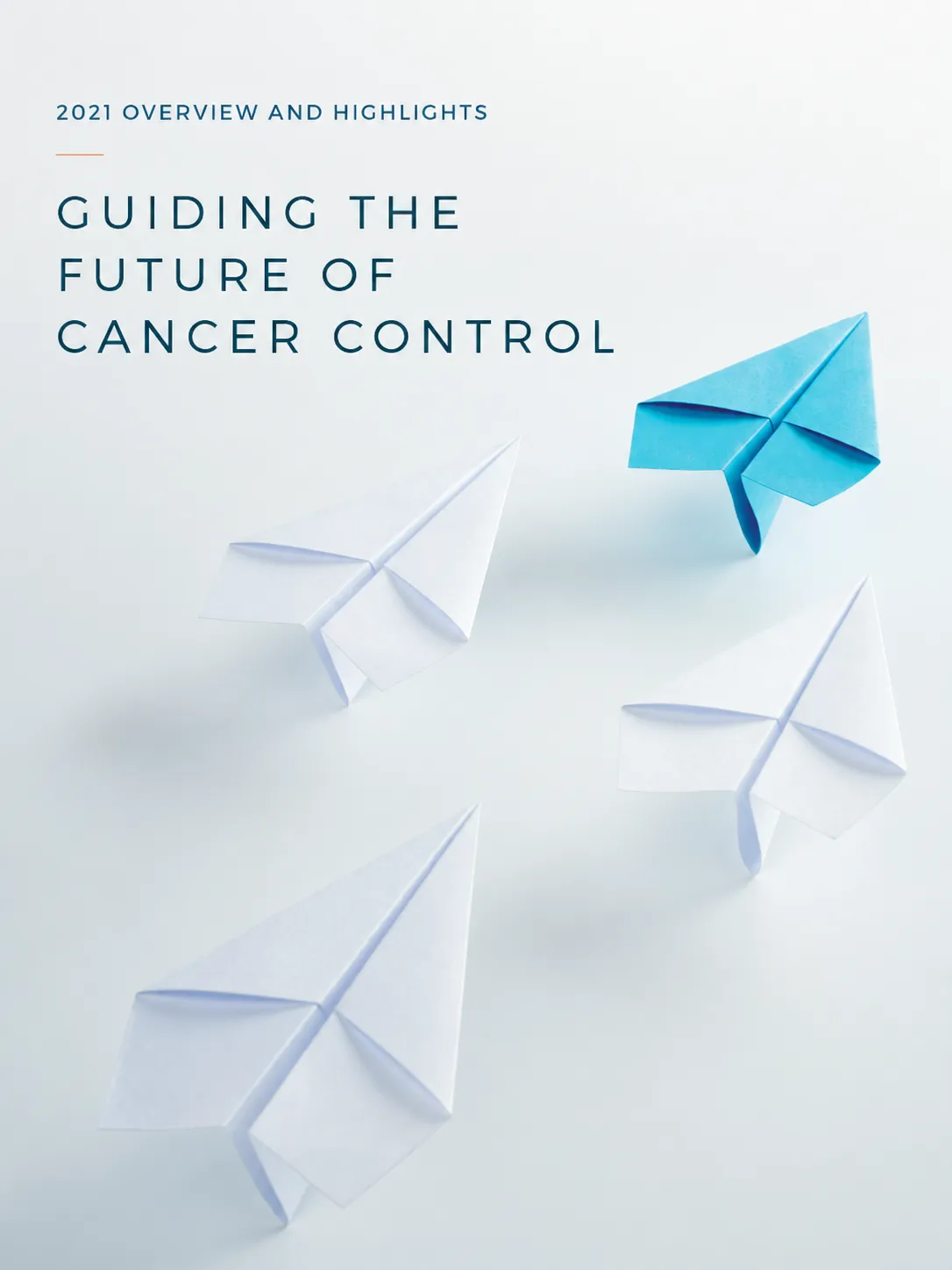
As part of a cross-functional team, I contributed to UX, visual design, and digital delivery across NCI DCCPS programs. We used performance data to guide iterative improvements that increased awareness of and access to public-health tools and resources.
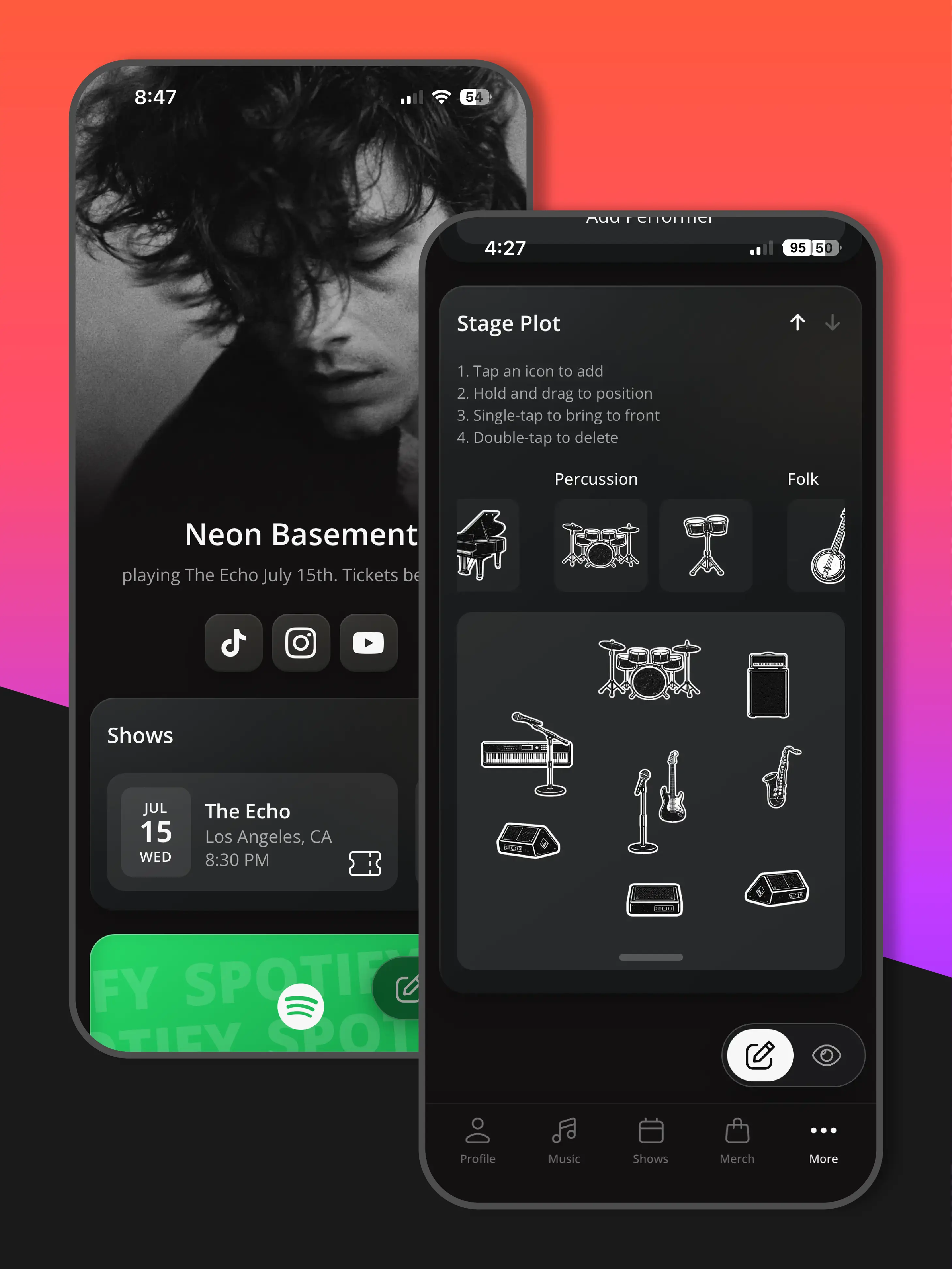
Designed and built Pluvi around reusable artist data and faster workflows. In timed comparisons using the same content, core tasks were faster than common artist and stage-production tools—and 100 artists joined in the first week.
I’d love to hear where this role can have the greatest impact across Octopus and the broader Apex team, and what meaningful progress would look like in the first six months.